
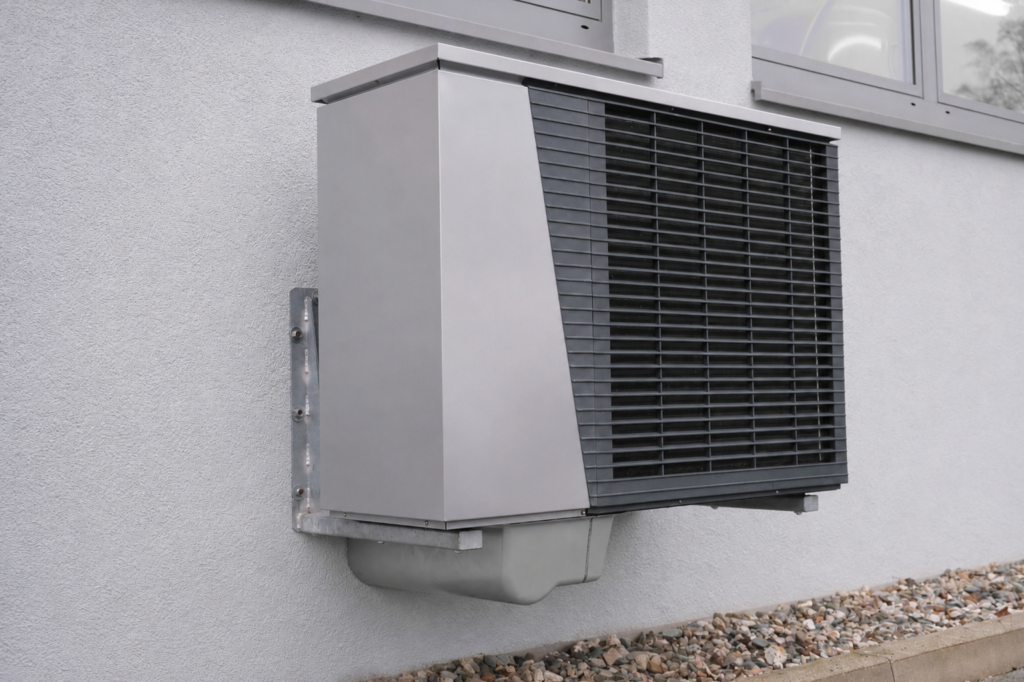
If you have a gas ducted heating system at home, you have probably noticed your bills creeping up over the past few winters. You are not imagining it. Gas prices in South Australia are at record highs in 2026, and the gap between running a gas system and switching to a reverse cycle (heat pump) ducted system is wider than most people realise.
This post breaks down the real difference between the two, what it means for your wallet, and what to consider if your gas system is getting on in years.
What is the actual difference?
A gas ducted system burns natural gas to create heat and pushes warm air through ducts and vents around your home. It does the job, and for a long time it was the cheaper option.
A reverse cycle ducted system works differently. Instead of creating heat, it moves heat from the outside air into your home, using electricity to run a compressor. This is the same technology as a heat pump, and it is why these systems are so much more efficient than any heating system that actually generates heat from scratch.
Here is the number that matters: a modern reverse cycle ducted system typically produces 3 to 4 units of heating for every single unit of electricity it consumes. Reverse cycle air conditioners typically have a COP (Coefficient of Performance) of 3 to 4, meaning they produce 3 to 4 units of heat for every unit of electricity consumed. A gas heater, by comparison, converts roughly 80 to 90 cents of every dollar of gas into usable heat, with the rest lost. And that is before you factor in how much you are paying per unit of energy.
The cost reality for Adelaide households
South Australia has consistently been one of the most expensive states in the country for gas. South Australians consistently pay above the national average for gas, and a 2-person Adelaide household can use three times more gas in July than in January. For families, small families generally pay $85 to $150 per month on gas, with that figure spiking sharply in winter.
On top of that, gas prices are on the rise in 2026, driven by global market conditions, Australian supply issues, and energy policy changes.
The picture for electricity is more complicated. Australian electricity bills jumped 37 per cent in the year to February 2026, largely due to the expiry of government energy rebates, which understandably makes some people nervous about switching to an all-electric system. But the efficiency gap is the key thing to keep in mind. Even at higher electricity rates, a system that delivers 3 to 4 units of heat per unit consumed often works out cheaper in practice than a gas system burning through its fuel at close to a 1:1 ratio.
Reverse cycle heating can be 40 to 60 per cent cheaper to run than gas ducted heating, depending on your energy plan and usage patterns.
The one big advantage gas still has
To be fair about it: gas ducted systems heat up a home quickly. If you walk into a cold house and want it warm in five minutes, a gas system does that well. Reverse cycle systems are more efficient, but they are not always faster to reach temperature from a cold start.
For most households running their system on a schedule or timer though, this difference rarely matters in practice.
What about the upfront cost?
A new reverse cycle ducted system is a meaningful investment. Ducted reverse cycle air conditioning typically costs between $8,000 and $16,000 depending on size and features. That is comparable to replacing a gas ducted system like for like.
The important thing to remember is that a reverse cycle system also cools your home in summer. You are not paying for a heating-only system. You are replacing both your gas heater and your cooling system in one, which changes the value calculation considerably.
The smartest approach for most households is to switch at the natural point of replacement, rather than replacing a working system early. If your gas ducted system is more than 10 to 15 years old, the next breakdown might be the right moment to have that conversation.
Is your home already set up for a changeover?
This is the part most people do not think about. If you already have ducted air conditioning for cooling, switching your heating source to reverse cycle is often simpler than it looks. The ductwork, vents, and zoning controls are already in place. What changes is the unit itself.
At Airevolution, we assess your existing setup before recommending anything. In many cases, a ducted changeover is more straightforward than homeowners expect, and it gives you year-round climate control from a single system.
The short version
If your gas ducted system is ageing, running up bills, or due for a service, it is worth having a proper conversation about whether a reverse cycle changeover makes sense for your home. The efficiency and running cost advantages are real, the technology is proven, and Adelaide’s mild winters make reverse cycle systems particularly well-suited to our climate.
We are happy to come out, look at your current setup, and give you an honest picture of what a changeover would involve and cost.
Call us on 1300 247 386 or visit airevolution.com.au to get in touch.